



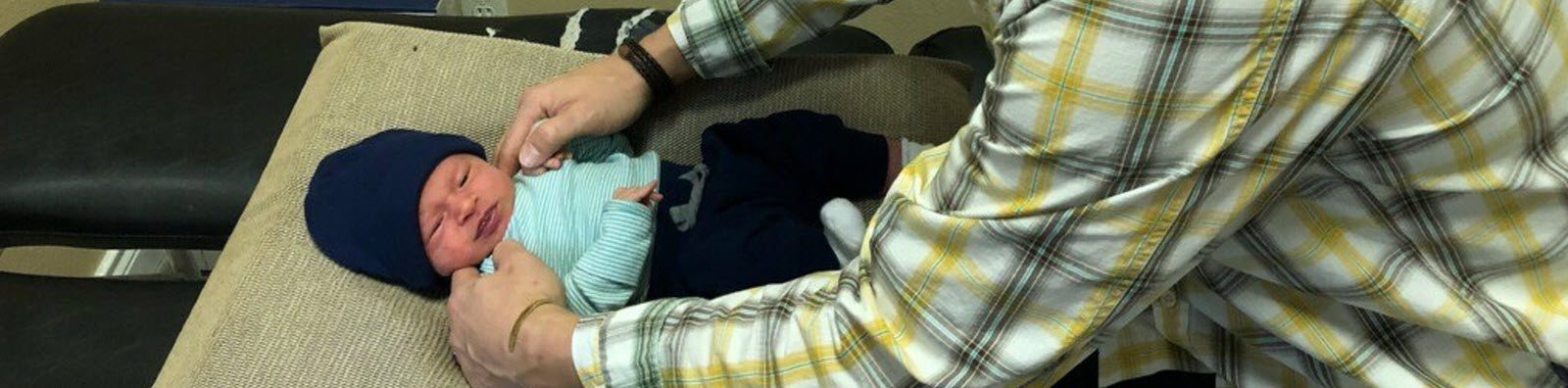
Torque Release Technique (TRT) is based on the relationship between the spine and the nervous system. The spinal cord acts as a communication highway between the brain and the rest of the body, sending and receiving signals that control movement, organ function, and overall coordination. When certain areas of the spine become stressed or misaligned, it may interfere with how efficiently those signals travel. TRT focuses on reducing this interference so the nervous system can function more smoothly. With this in mind, we at Revelation Chiropractic would like to discuss the science behind torque release technique explained simply.
A Gentle, Instrument-Based Approach
Unlike traditional chiropractic methods that often involve manual twisting or cracking, Torque Release Technique uses a handheld device called the Integrator. This instrument delivers a very light and precise impulse to specific points along the spine. The force is controlled and consistent, allowing practitioners to target areas of neurological imbalance without applying heavy pressure. This makes the technique especially gentle compared to more force-based adjustments.
How the Nervous System Responds to Input
When the Integrator delivers its gentle impulse, it stimulates mechanoreceptors in the spine, specialized sensory receptors found in joints and soft tissues. These receptors send information to the brain about position and movement. The brain then processes this input and can adjust how it regulates muscle tone and nerve signaling. This feedback loop is one of the key scientific mechanisms behind TRT and helps explain why even a light adjustment can have noticeable effects.
Neuroplasticity & Adaptive Change
A major scientific concept connected to Torque Release Technique is neuroplasticity, which is the nervous system’s ability to adapt and reorganize itself. When specific spinal points are repeatedly stimulated in a precise way, the brain may begin to shift away from patterns of stress or dysfunction. Over time, this can contribute to improved regulation of the body’s systems, including posture, muscle balance, and stress response.
Supporting the Body’s Stress Response
The nervous system has two primary modes: sympathetic (“fight or flight”) and parasympathetic (“rest and repair”). Many people spend too much time in a heightened sympathetic state due to stress, posture habits, and modern lifestyles. Torque Release Technique aims to help the body move toward a more balanced state by reducing neurological tension and supporting better autonomic function.
Why the Technique Is Considered Low Force & Precise
TRT is often described as a low-force chiropractic method because it does not rely on high-pressure manipulation. Instead, it focuses on precision, consistency, and neurological feedback. This makes it suitable for a wide range of patients, including those who may prefer a gentler approach to spinal care. The emphasis is not on force, but on helping the nervous system communicate more efficiently.
A Simple Summary of the Science
In simple terms, Torque Release Technique works by applying gentle, targeted input to the spine to influence how the nervous system processes information. Through mechanoreceptor stimulation, neuroplasticity, and improved nervous system balance, the body may respond with better overall function and reduced stress patterns. While research is ongoing, the technique is grounded in established principles of neurophysiology and sensory system function. Call Revelation Chiropractic for your next appointment!